
Insights
Practical notes on medical device classification, standards and design records, for teams planning a device in India.
New to this? Start here
All articles, newest first
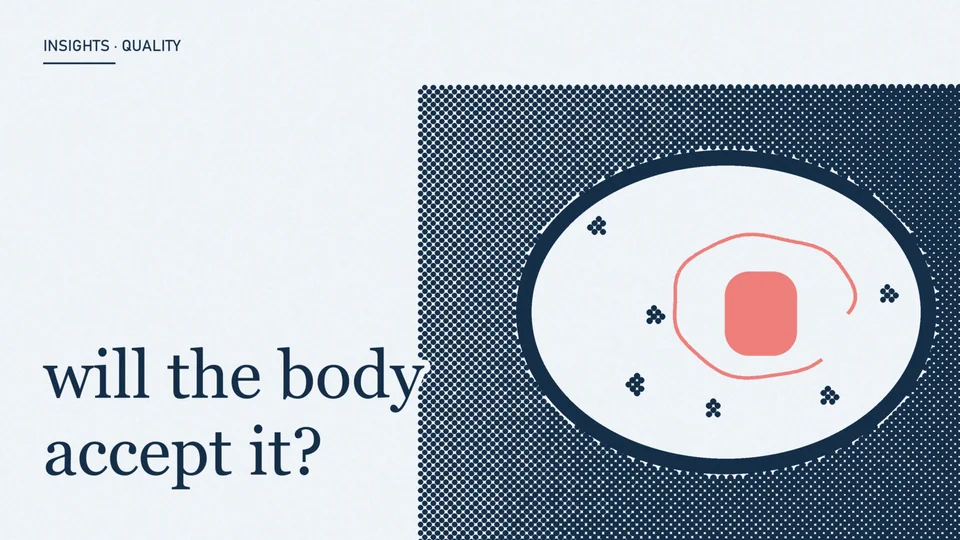
Planning a biocompatibility evaluation with ISO 10993-1
Biocompatibility is not a list of tests to buy. It is an evaluation, planned inside risk management, that starts from what touches the body and for how long, and tests only what existing information cannot answer.
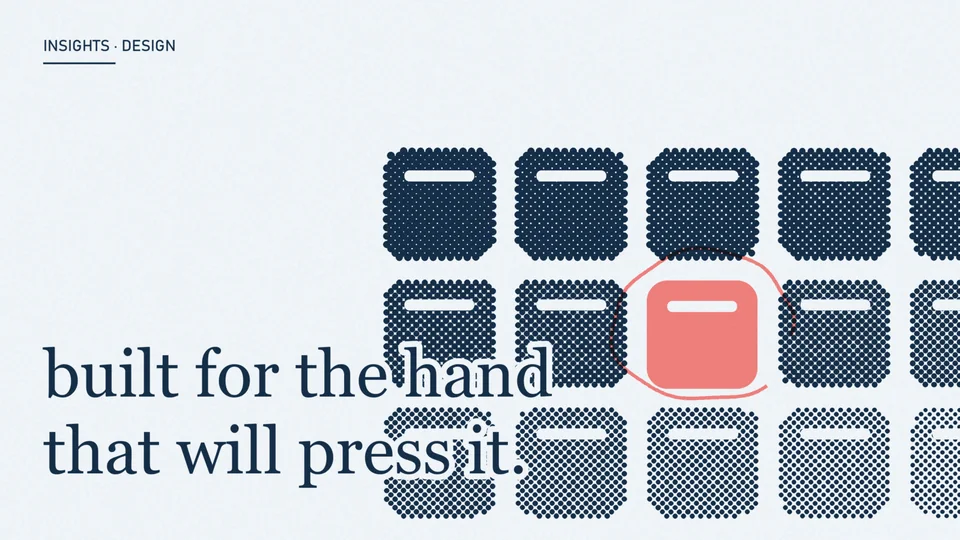
Usability engineering with IEC 62366-1
Some harmful use errors come from the design of the interface, not from the user. Usability engineering finds the tasks that matter, tests them early, and shows that the final design works for representative users.
Software in a medical device: IEC 62304 safety classes
IEC 62304 sorts device software into three safety classes. The class follows the worst harm the software can contribute to, and it sets how much lifecycle work you owe. Decide it early, from the risk analysis.
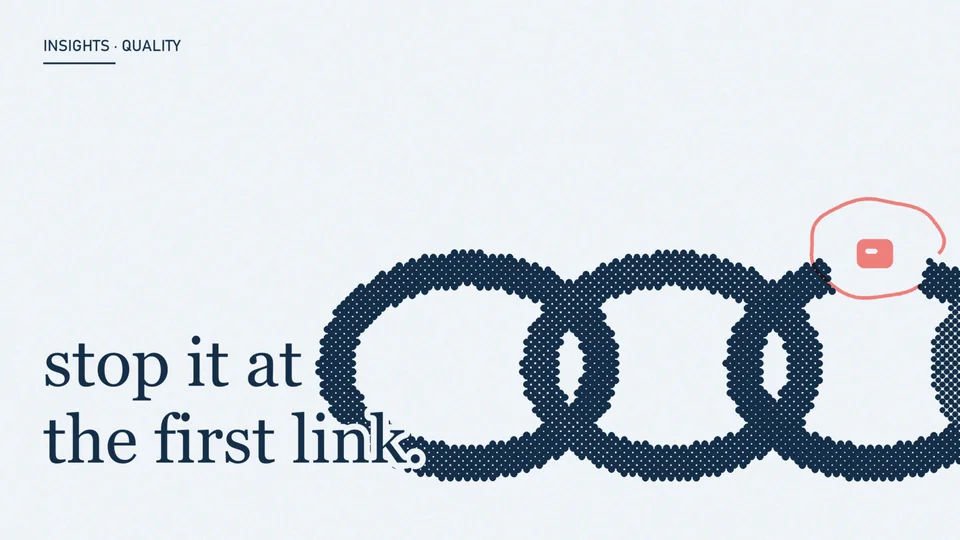
Risk management under ISO 14971, from hazard to control
ISO 14971 gives a device team one chain to think along: a hazard leads to a hazardous situation, and a hazardous situation may lead to harm. Risk controls break that chain, and the standard puts them in an order of preference.

Verification and validation are not the same test
Verification asks whether the design was built to its own requirements. Validation asks whether the device meets the need it was made for. A plan needs both, and one cannot stand in for the other.
How to write an intended use statement
The intended use is a few sentences, and it governs the class, shapes the risk analysis and limits what you may claim. Write it first, and write it with care.
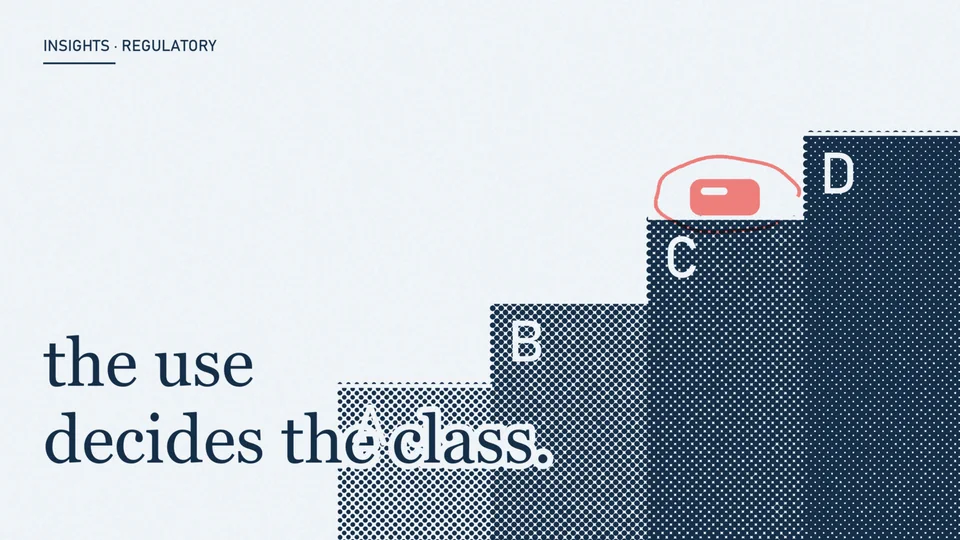
How a medical device is classified in India
The Medical Devices Rules, 2017 put every device in one of four risk classes. The class decides who grants the licence and how much evidence you need, so settle it early.
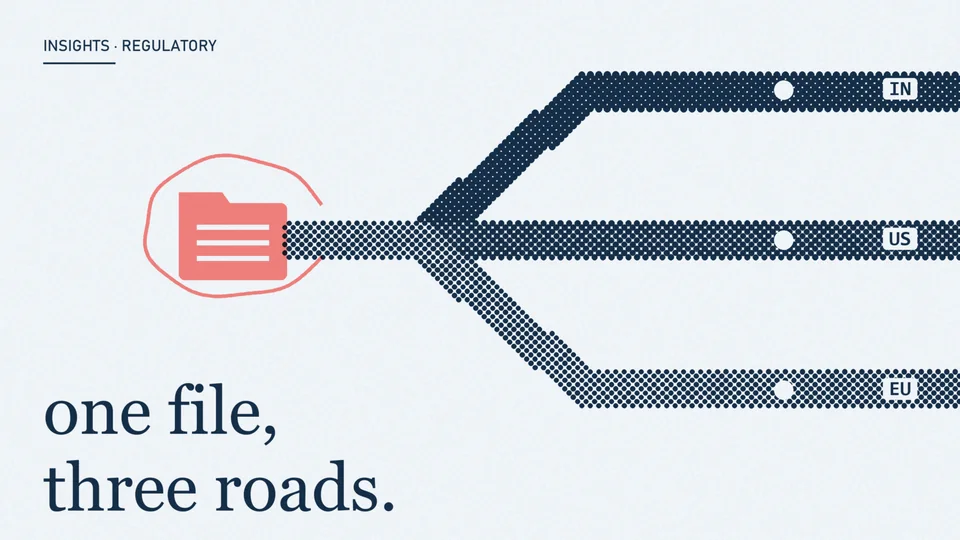
India, the US and the EU: three routes to market, side by side
Each market has its own classes, its own regulator and its own route. One design file can serve all three, if it is planned for them from the start.
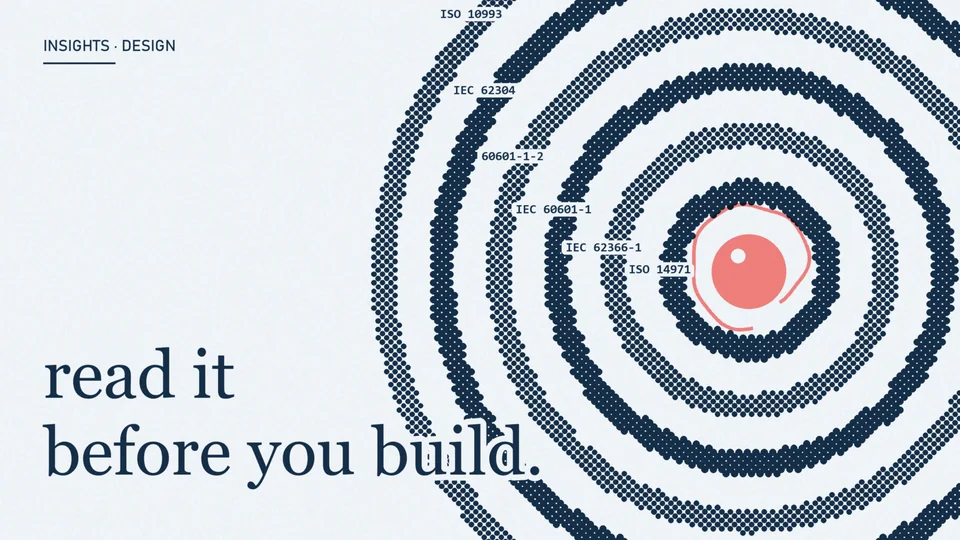
Six standards that shape a device before testing starts
Most standards are thought of as test standards. Six of them decide design choices long before a device reaches a lab.
Build the design history file as you go
ISO 13485 asks for a record of each design stage. Written at the stage, it costs little. Compiled at the end, it costs weeks and loses the reasons.
Design transfer: from a working prototype to a production line
A device that works on the bench is not yet a device you can make a thousand times. Design transfer is the step that closes that gap.
New articles appear in the RSS feed.
Working on a device?