
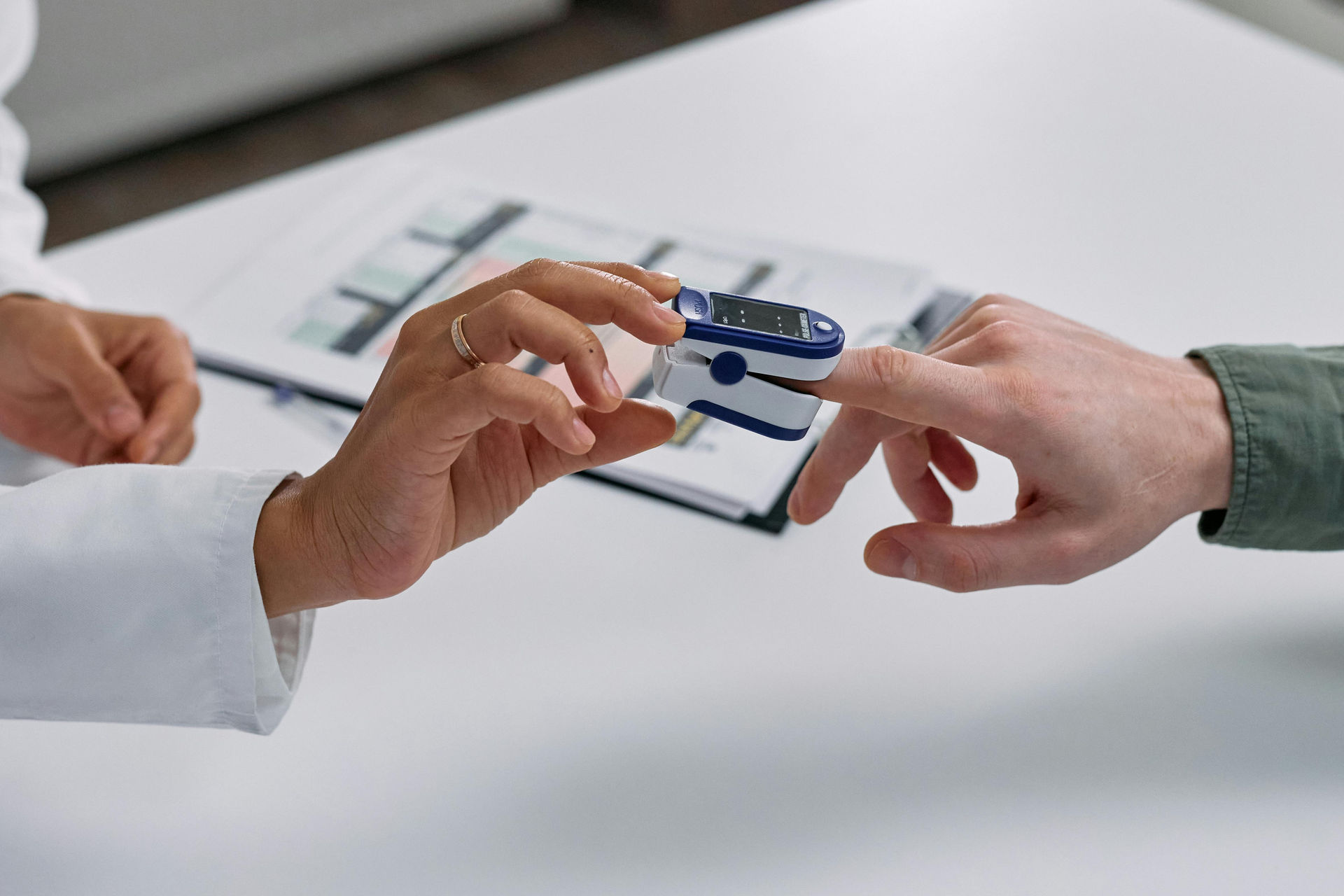
Diagnostic Devices
Devices that measure the patient directly: stethoscopes, screeners and wearable patches. Sensor accuracy, motion artefact, comfort over long wear and the evidence behind the number are the hard parts.
- Devices we have built here
- Digital stethoscopes, diabetic foot screeners, glaucoma screeners, ECG patches, wearable multivital patches.
Devices we have worked on
We name the type of device, not the client. Client work stays confidential.
- Continuous glucose monitoring sensor
- Wearable multi-vital monitoring patch
- Skin temperature monitoring patch
- Ambulatory blood pressure monitor
- Blood pressure monitor and ECG device for a screening kit
What makes these devices hard
Accuracy against a reference
The number has to agree with a clinical reference, across the population that will use it.
Motion and skin
Artefact from movement, sweat and skin tone, handled in the sensor and the algorithm.
Power and wireless
Battery life, charging and a Bluetooth link that holds.
Comfort over long wear
Adhesives and form that stay on for days without harm.
Tell us these first
Useful in a first enquiry
- The parameter you measure, and the accuracy you claim
- Where it is worn, for how long, and by whom
- The reference method clinicians trust today
- The battery life, charging and data display you need
- Any algorithm or dataset you already own
A clean signal is not an accurate number
A clean signal and a good algorithm do not prove accuracy on their own. The claim rests on a study against a named reference method, such as ISO 81060-2 for blood pressure, with the subjects and conditions the protocol sets. Choose the reference before the algorithm is tuned, and keep the test data apart from the data used to build it. The device should also flag a signal too poor to trust, rather than report a number.
The path for a device like yours
Questions about diagnostic devices
Which reference method should our accuracy study use?
The one the relevant standard or clinical practice accepts for that parameter. For automated blood pressure monitors, ISO 81060-2 sets the reference and the study design. Where no standard exists, agree the reference and the acceptance criteria with clinicians and write them into the protocol before the study.
Does our app count as medical device software?
It can. Software that analyses readings to support a diagnosis is usually regulated as part of the device or as a device in its own right, and IEC 62304 then applies. The intended use decides where the line falls.
Which class will our device be?
The class follows the intended use and the classification rules, not the device type. Try the class and route tool.
How is skin safety shown for a patch worn for days?
Adhesives and materials that touch skin need a biological evaluation under ISO 10993-1, which considers the type and duration of contact. Contact over days usually brings more endpoints than brief contact.
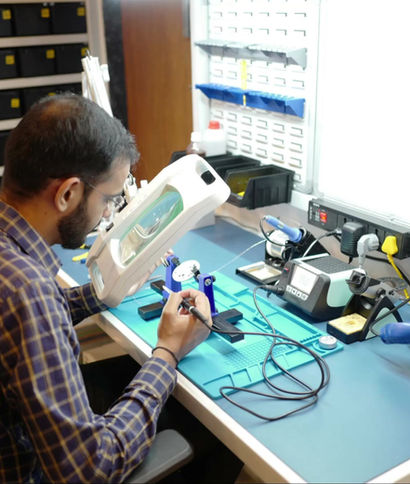
Monitoring programmes on record
Our programmes include a continuous glucose monitoring sensor, a wearable multi-vital monitoring patch, a skin temperature monitoring patch and an ambulatory blood pressure monitor.
Standards that commonly apply
- IEC 60601-1-11Home healthcare environment
- IEC 80601-2-30 / ISO 81060-2Automated blood pressure monitors and their validation
- IEC 60601-2-47Ambulatory ECG systems
- ISO 80601-2-56Clinical thermometers
- IEC 62304Medical device software
The list for a given device, and the edition of each, is set in its regulatory plan.
Services that help here
Building a device in Diagnostic Devices?
Opens the contact form with the topic filled in. Nothing is sent until you press send.