
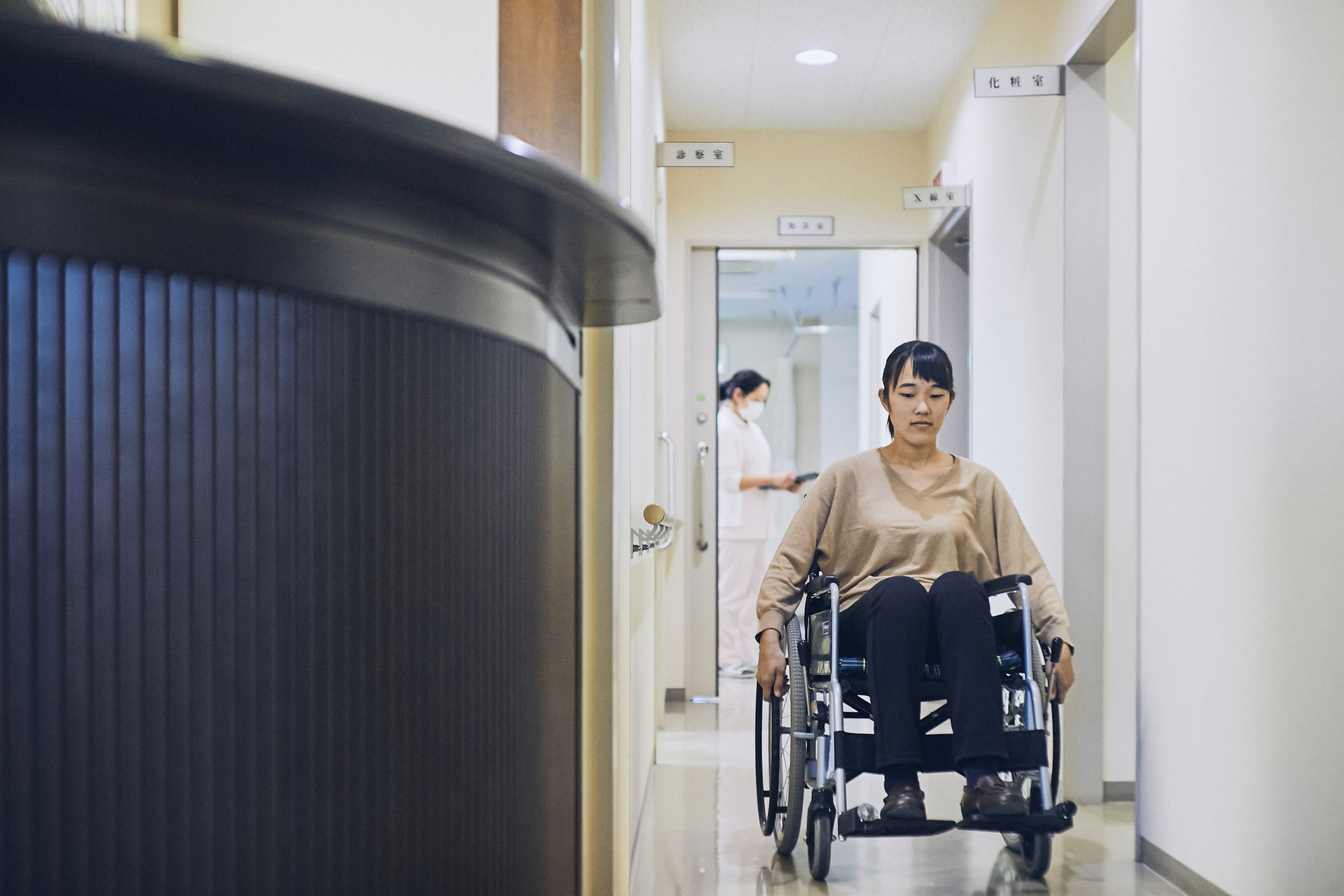
Rehabilitation & Neonatal
Devices a patient lives with, from limb prosthetics and implants to infant care equipment. Long contact with skin or tissue and a price the user can afford carry equal weight.
- Devices we have built here
- Prosthetic legs, polio calipers, knee, hip and maxillofacial implants, phototherapy units, infant warmers.
What makes these devices hard
Loads over years
Prostheses and orthoses carry the body's weight every step, for years.
Fit
Every user is different; the design has to adjust or be made to measure.
Fragile patients
Neonatal devices face tight limits on heat, light and noise.
Cost
Many users pay themselves, so the device has to be affordable to make.
Tell us these first
Useful in a first enquiry
- The users: age, weight and activity, or the neonatal care setting
- Made to measure or adjustable, if decided
- The price the user or hospital can pay
- Clinicians or centres who can join user studies
- The product in use today, and why it falls short
Control the temperature at the skin
A neonate's skin is thin and the infant cannot move away from heat, so a surface that is safe for an adult can injure a baby. The design has to control the temperature at the skin, not only at the heater, and stay safe when a sensor slips or a hood is opened. IEC 60601-1 sets general limits for parts that touch the patient, and IEC 60601-2-19, -2-21 and -2-50 add requirements for incubators, radiant warmers and phototherapy units.
The path for a device like yours
Questions about rehabilitation and neonatal devices
Why control skin temperature and not only the heater?
The heater can be at its set point while the skin under a pad or lamp runs too hot, for example when the infant moves or a sensor comes loose. The standards for neonatal equipment set limits at the patient, so the design has to sense and control there.
What testing does a lower-limb prosthesis need?
ISO 10328 sets static and cyclic structural tests for lower-limb prosthetic structures, at test loading levels tied to user body mass. Choose the level that matches the users the device is claimed for.
Which class will our device be?
The class follows the intended use and the classification rules, not the device type. Try the class and route tool, and read how classification works in India.
Can a low-cost design still meet the standards?
Yes. The standards set safety and performance, not price. Cost comes from design choices: part count, materials, processes and how much is made to measure. Set a cost target at the start and check each design against it.
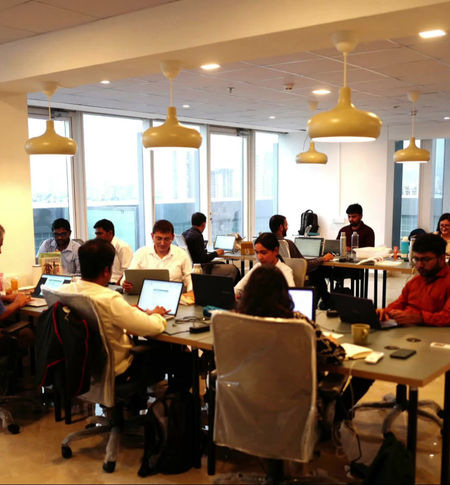
Design, labs and assembly together
Our design office, labs and audited assembly lines sit together in Navi Mumbai, across 2 ISO 13485 certified sites.
Standards that commonly apply
- ISO 10328Structural testing of lower-limb prostheses
- ISO 22523External limb prostheses and orthoses
- IEC 60601-2-50Infant phototherapy equipment
- IEC 60601-2-19Infant incubators
The list for a given device, and the edition of each, is set in its regulatory plan.
Services that help here
Building a device in Rehabilitation & Neonatal?
Opens the contact form with the topic filled in. Nothing is sent until you press send.