

Post-market intelligence
A structured read of what users, distributors and complaints are telling you, turned into the requirements for the next version.
When post-market intelligence is the right step
Once the device is on the market. Field feedback and complaints show what users need next, and give the next version a case built on data.

Collect field feedback
Structured feedback from users, distributors and service, not only complaints.
Aggregate complaints
Complaints grouped and trended across markets and batches, to show patterns.

Build the case for the next version
Findings turned into design inputs and a case for the next version.
What you bring, and what you get back
You bring
- Complaint and service records
- Sales and returns data by market
- Feedback from distributors and users
- The current risk file
- Your questions about the next version
You get back
- A field feedback plan and forms
- Complaint trend reports
- A ranked list of problems and requests
- Draft design inputs for the next version
- Proposed updates to the risk file
- A case for the next version, with the data behind it
Field data should reach the design
Complaints on their own show what failed. Combined with service reports, returns and user feedback, they show what users need. ISO/TR 20416 describes post-market surveillance as planned, active collection of data, not waiting for complaints. The result goes two ways: into the risk file for the current device, and into design inputs for the next.
How the work runs
Questions buyers ask
How is this different from post-market support?
Post-market support runs the required processes: complaints, corrective action and records. Post-market intelligence reads across that data, and other feedback, to decide what the next version should do.
Is post-market surveillance required?
Yes. ISO 13485 requires a feedback process, and the EU MDR requires a post-market surveillance plan. In India, the materiovigilance programme covers devices on the market.
What data is most useful?
Data that links a problem to a batch, a use setting and a user. A complaint with no batch number or context is hard to act on, so the feedback forms ask for it.
Can findings change the current device?
Yes. If field data shows a new risk, or a known one happening more often, the risk file is updated and a corrective action or design change may follow.
Findings reach the engineers
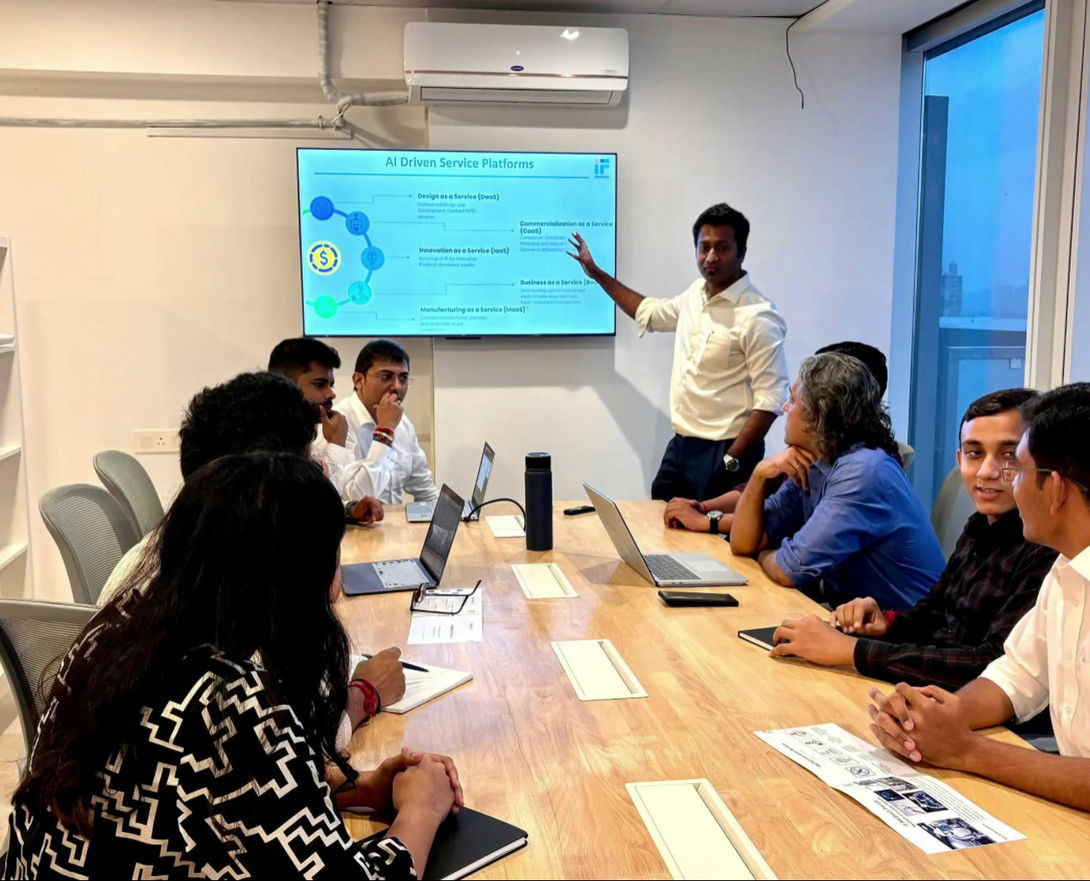
Nine disciplines work in one team, so a finding from the field reaches the designers who will act on it. We work with 100+ clinician partners.
Run under an ISO 13485:2016 quality system certified by TÜV SÜD, certificate 99 400 00046. What it covers.
Not quite you?
Where this sits
Also in Co-Commercialize
Tools for this

Have a question about Post-market intelligence?
Opens the contact form with this service named. Nothing is sent until you press send.